


Italian Artisan Ceramics: A Heritage of History and Tradition
Italian artisan ceramics represent one of the most authentic symbols of Italian cultural and artistic heritage. Each piece tells a story, combining traditional techniques, artisanal craftsmanship, and unique regional influences. For centuries, these works have captivated the world with their timeless beauty. In this article, we will explore the history, production processes, and traditions associated with Italian ceramics, with a look at the most famous regions such as Caltagirone, Faenza, and Vietri sul Mare.
Historical Origins of Italian Artisan Ceramics
The tradition of Italian ceramics has its roots in antiquity, with Etruscans and Romans using clay to create tools and decorations. During the Middle Ages, the influence of civilizations such as Byzantines and Arabs further enriched this art. However, it was during the Renaissance that Italian ceramics reached their peak expression, thanks to the spread of majolica. Centers such as Faenza, Deruta, and Caltagirone became famous for their intricate and vibrant designs, marking a golden age for this art form. Discover more in our dedicated article
[[teste]]
The Iconic Regions of Italian Artisan Ceramics
Caltagirone and Sicilian Ceramics
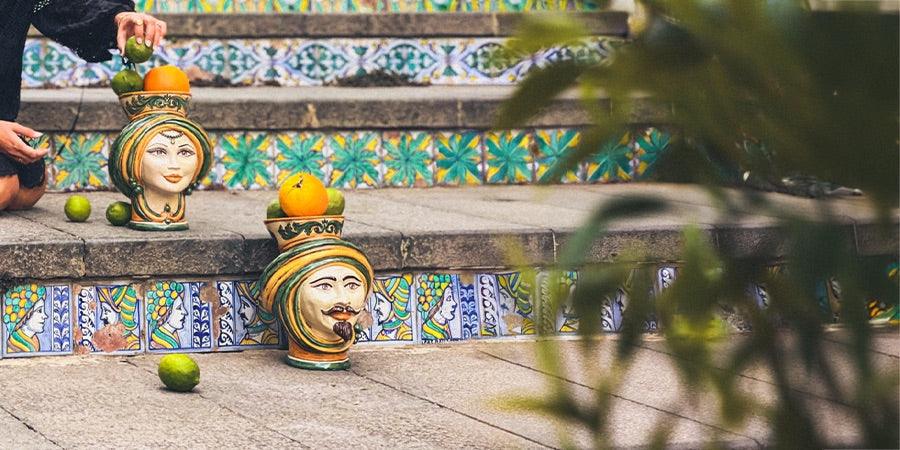
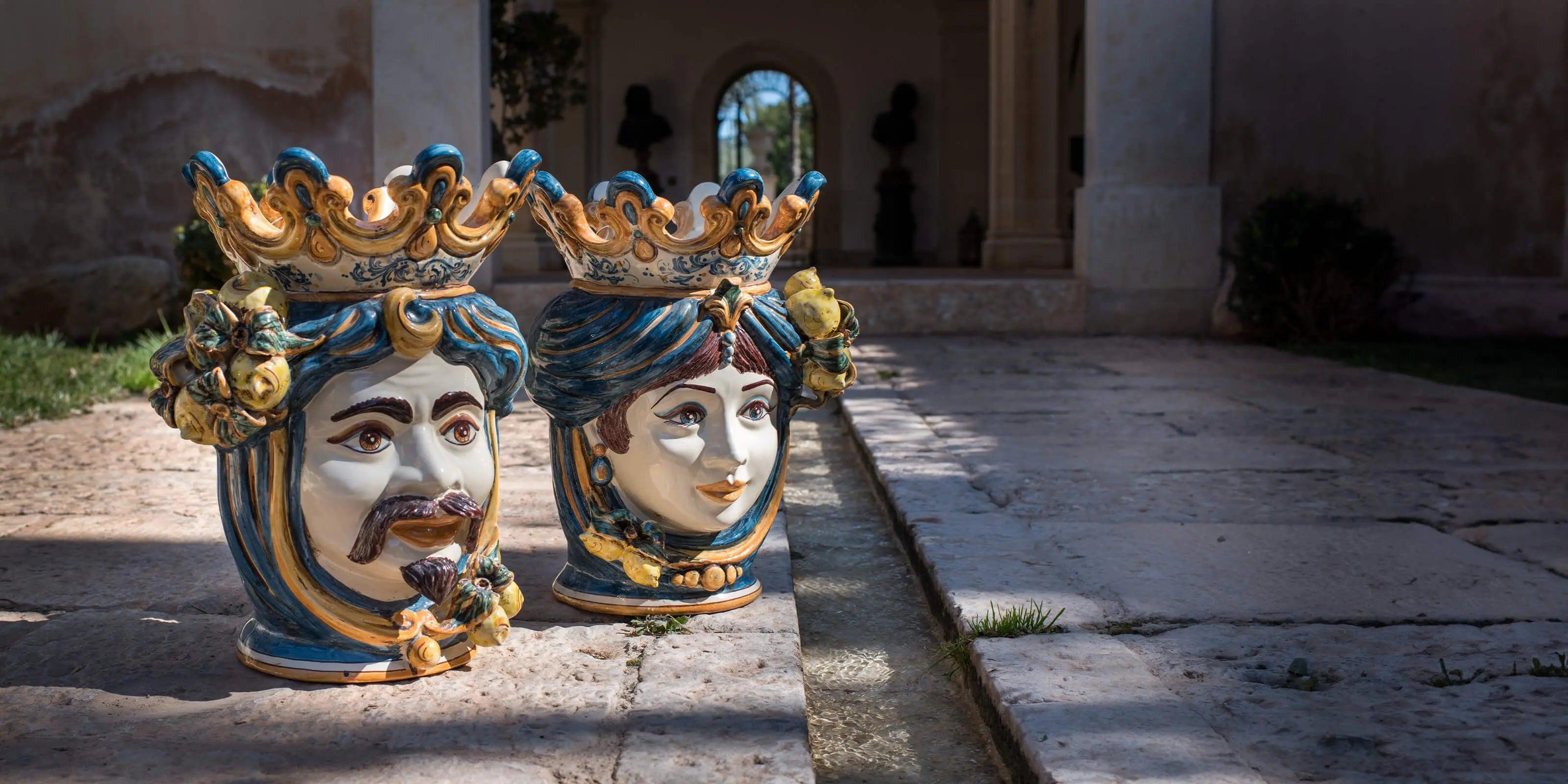
Caltagirone, located in the heart of Sicily, is famous for its vibrant colors and decorative motifs. The renowned Moorish heads and ceramic pine cones are symbols of Sicilian tradition, telling stories of love and prosperity. Companies like Ceramiche Sofia combine traditional techniques with modern design, producing unique and high-quality artisanal works.
Faenza: The Heart of Majolica
Faenza, in Emilia-Romagna, is synonymous with high-quality majolica. Local artisans have perfected the art of creating elegant decorations on white enamel, combining innovation and tradition to produce iconic pieces appreciated worldwide.
Vietri sul Mare and Coastal Ceramics
On the Amalfi Coast, Vietri sul Mare is renowned for its ceramics with vibrant colors and Mediterranean motifs. Marine scenes, lemons, and solar geometries decorate plates, vases, and tiles that capture the essence of Italian coastal life.
Production Techniques and Processes
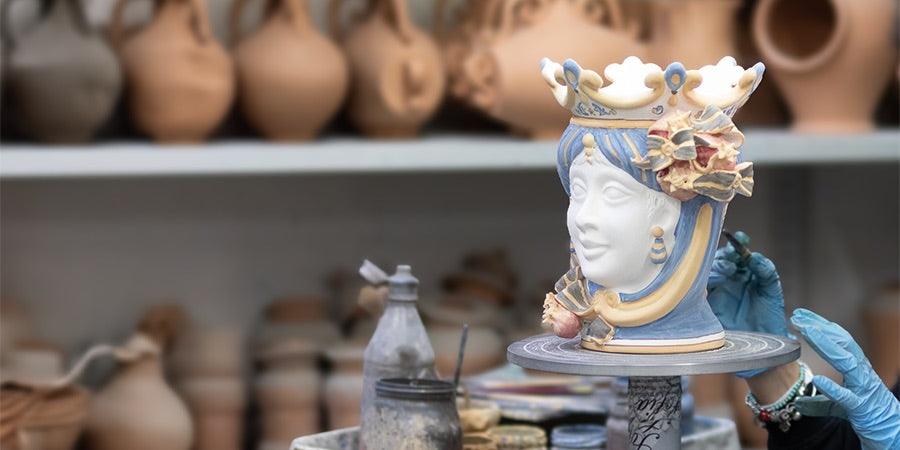
The production of Italian artisan ceramics is an art that requires skill, patience, and dedication. The process includes:
- Clay Extraction and Shaping: Artisans mold local clay into raw forms.
- First Firing: Objects are fired at a low temperature to ensure a resistant base.
- Hand Decoration: Designs and motifs are painted using traditional techniques and natural colors.
- Glazing and Second Firing: Glaze provides brilliance and protection, with a second firing at high temperatures to set the colors.
Buying and Collecting Italian Artisan Ceramics
Owning a piece of Italian artisan ceramic means bringing home a fragment of culture and history. Here's where to find them:
- Artisan Workshops: Visit workshops like those in Caltagirone, Faenza, and Deruta to buy directly from master artisans.
- Local Fairs: Markets and artisan fairs offer a wide range of unique ceramics.
- Online Store: Digital platforms like Ceramiche Sofia allow you to buy authentic products from the comfort of your home.
[[pigne]]
Curiosities about Italian Artisan Ceramics
- Majolica vs. Terracotta: Majolica is known for its glossy glazes, while terracotta has a rustic charm.
- Iconic Symbols: Moorish heads and pine cones represent love, rebirth, and prosperity.
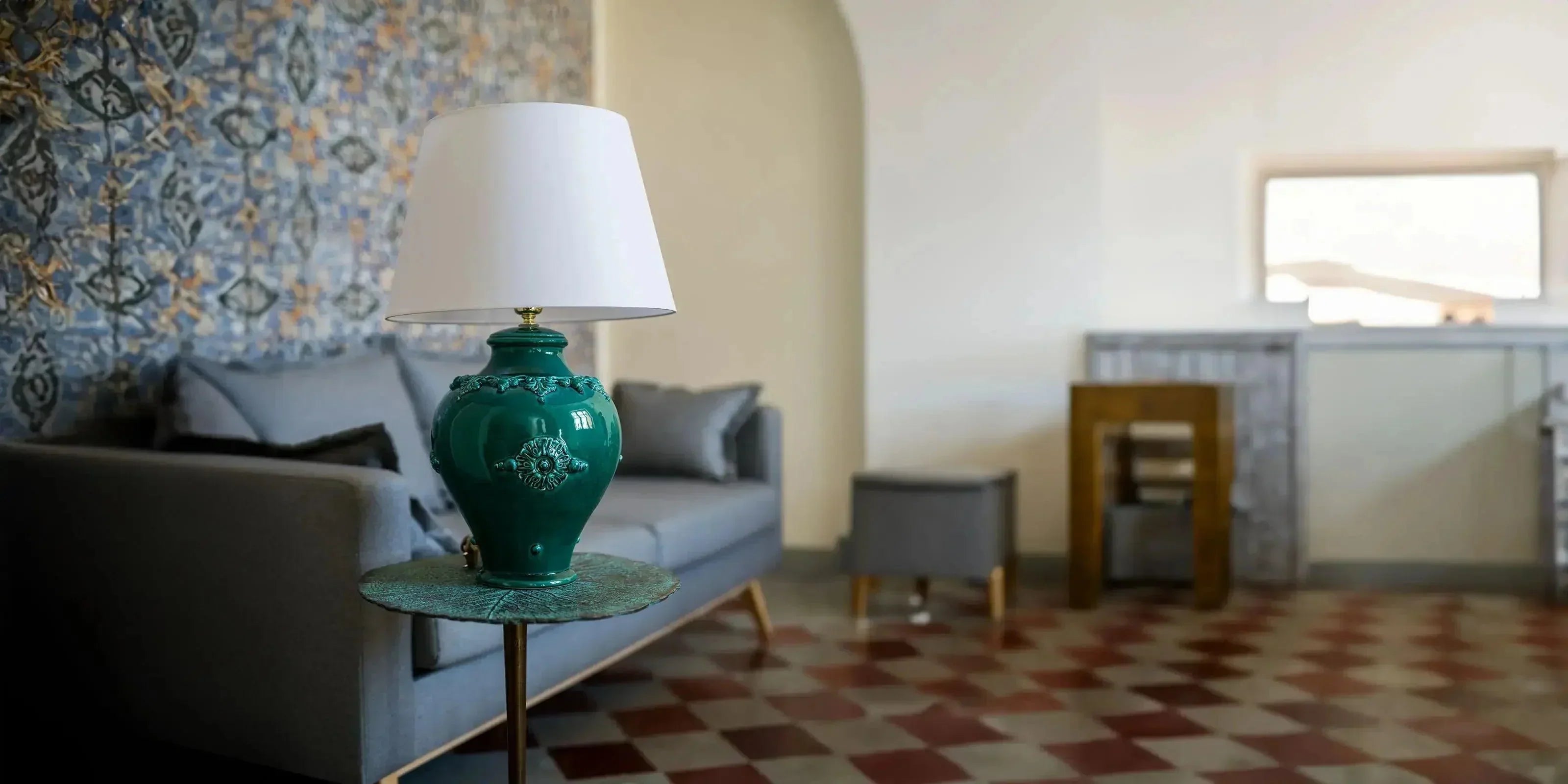
- Innovation: Many artisans combine traditional styles with modern designs, creating pieces suitable for contemporary interiors.
Conclusion
Italian artisan ceramics are not only works of art but also testimonies to the rich history and culture of our country. Each piece reflects the passion and mastery of the artisans, making it an eternal symbol of Made in Italy. If you wish to bring a touch of Italy into your homes, explore the variety of styles and regions these ceramics offer.
FAQs
What makes Italian artisan ceramics unique?
The combination of traditional techniques, quality materials, and unique designs.
Which are the most famous regions?
Sicily (Caltagirone), Campania (Vietri sul Mare), Umbria (Deruta), and Emilia-Romagna (Faenza).
How are they produced?
Shaping, hand decoration, glazing, and double firing are fundamental stages.
Where can I buy authentic ceramics?
In local artisan workshops, fairs, and online on certified sites like Ceramiche Sofia.
What is the value of Italian ceramics?
In addition to their aesthetic value, they represent Italian culture and support local craftsmanship.

Leave a comment
All comments are moderated before being published.
This site is protected by hCaptcha and the hCaptcha Privacy Policy and Terms of Service apply.