


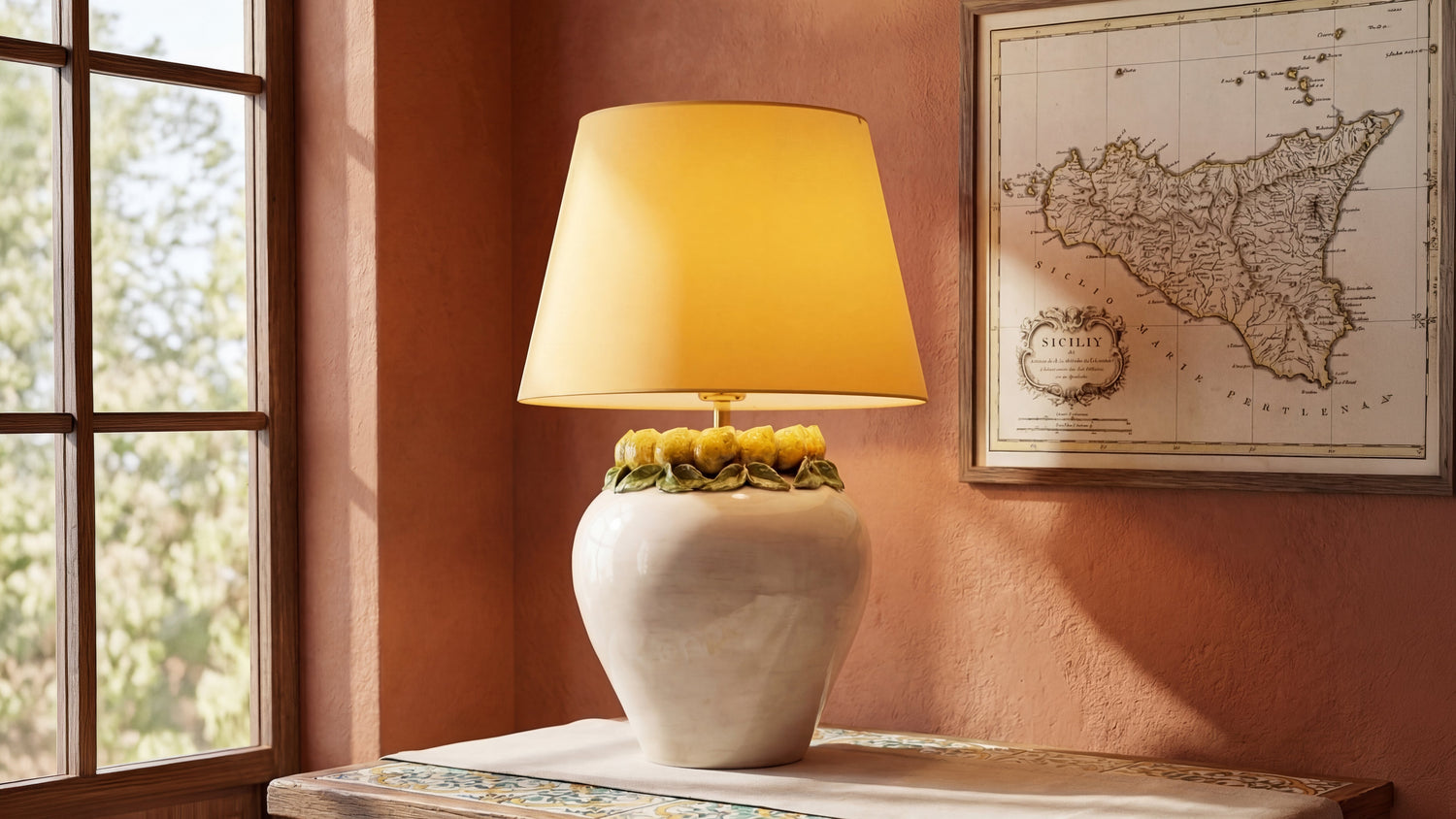
Display and lighting of decorative ceramics
The display and lighting of decorative ceramics are fundamental. They can transform these works into true design elements. A good display enhances the beauty of ceramics.
Choosing the right position is crucial. Lighting can highlight details and colors, thus creating a unique atmosphere.

Enhancing ceramics is not just aesthetic; it's also about creating a welcoming atmosphere. Follow these tips to transform ceramics into high-impact furnishing elements.
Key points to remember
- The choice of position is essential to enhance decorative ceramics.
- Lighting can emphasize the details and colors of ceramics.
- The combination of display and lighting can create a unique atmosphere.
- Decorative ceramics can be used to create a welcoming and refined environment.
- Attention to detail is crucial for enhancing ceramics.
[[lumi]]
The value of decorative ceramics in interior design
Caltagirone ceramics add warmth and color to any room. They are not just decorations; they tell stories of ancient peoples and traditions.
Each ceramic piece becomes a messenger of art and culture, giving personality and character to spaces.
Cultural and artistic significance of ceramics
Decorative ceramics are born from ancient techniques and refined artisanal knowledge. Each unique piece embodies centuries of history and innovation. They are precious for the beauty and symbolic value they carry.
Why proper display makes a difference
A correct ceramic display enhances these art objects. Appropriately lighting decorative objects highlights their aesthetic characteristics, thus transforming a room into a unique and fascinating space.
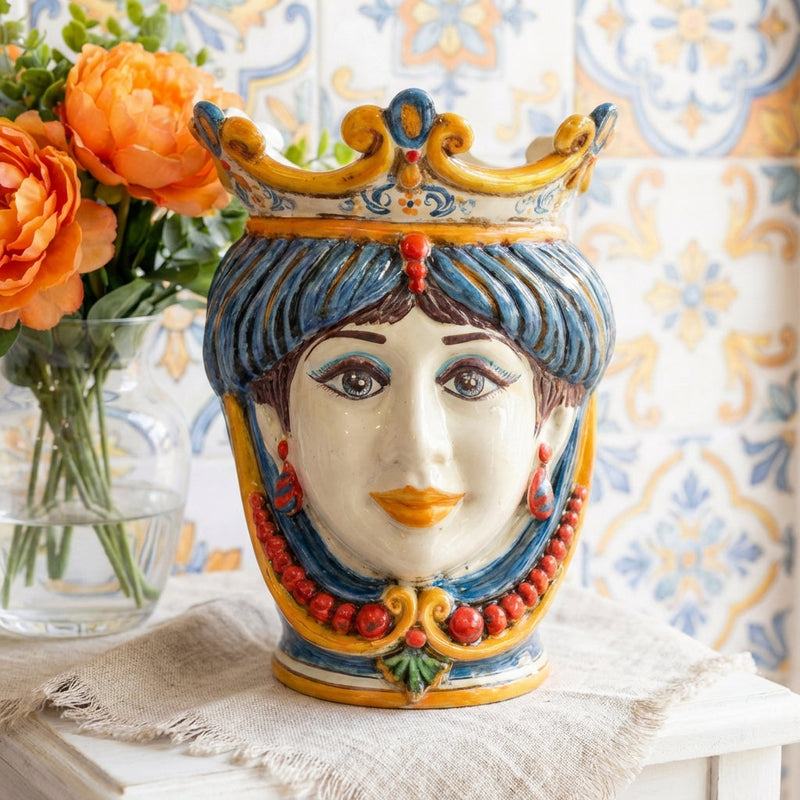


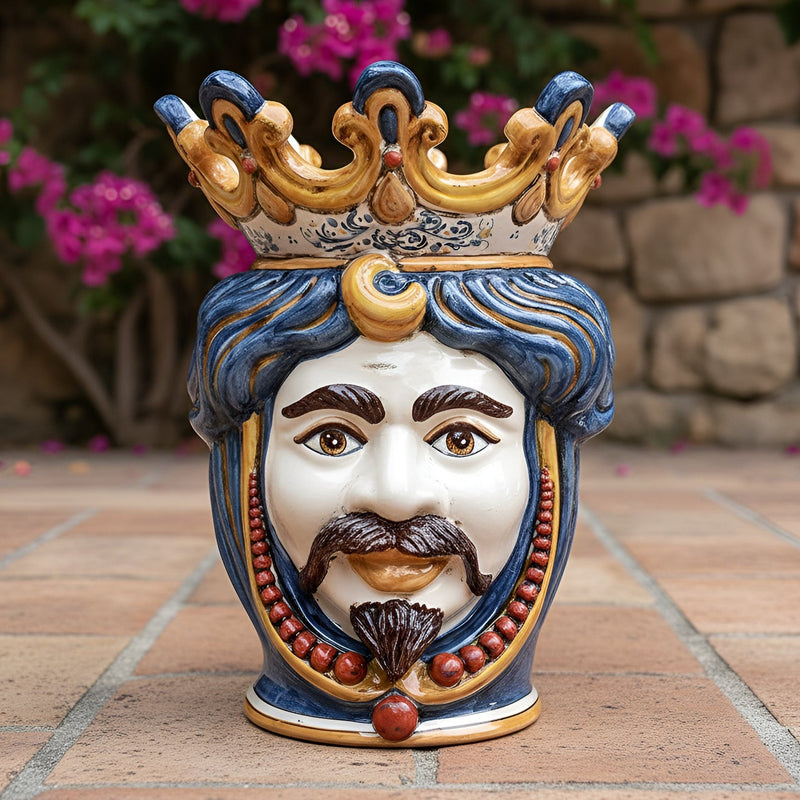
Types of decorative ceramics and their display characteristics
There are many types of decorative ceramics, each with unique characteristics and display methods. These differences influence how they are displayed and enhanced in domestic spaces.
Glazed ceramics and terracotta: display differences
Glazed ceramics have a shiny, colorful surface and are ideal for bright environments. Terracotta has a rustic look, ideal for a warm atmosphere. The choice depends on the desired furnishing style.
Majolica and hand-painted ceramics
Majolica and hand-painted ceramics are appreciated for their uniqueness and artistic touch. These pieces can become true focal points in a room, thanks to their vibrant colors and intricate designs. It is advisable to display them on ceramic display cases or decorative shelves to enhance their beauty.
Porcelains and contemporary artistic ceramics
Porcelains are renowned for their delicacy and refinement, while contemporary artistic ceramics can feature innovative shapes and styles. Both can be strategically displayed using ceramic lamps to emphasize their aesthetic characteristics and create an evocative atmosphere.
Understanding the different types of decorative ceramics and their display needs can help create a harmonious and refined environment. The choice of the right display can significantly enhance ceramics, making them central elements of the decor.
[[pigne]]
Tips on how to enhance decorative ceramics at home
Decorative ceramics can be key elements in a home. A carefully curated display enhances both the ceramics and the environment.
Space analysis and strategic positioning
Before displaying ceramics, analyze the available space. The right positioning creates a strong visual impact. Enhancing less illuminated areas with ceramics adds elegance.
Creating compositions and thematic groups
Creating compositions with ceramics enriches the decor. Grouping similar objects creates an interesting effect, making the environment harmonious and welcoming.

Color combinations with existing decor
It is essential to choose decorative ceramics that match the existing decor. Selecting complementary colors can create visual harmony. This precaution helps integrate the ceramics into the decor, further enhancing them.
For example, in an environment with cool tones, ceramics with warm colors can create an interesting contrast. Conversely, in an environment with warm tones, ceramics with cool colors can add a touch of freshness.
Lighting techniques to highlight display ceramics
Good lighting transforms the display of ceramics into a unique experience. Choosing the right lighting technique enhances the ceramics and creates a welcoming atmosphere.
Basic principles of artistic lighting for ceramics
Artistic lighting for ceramics follows some fundamental principles. It is important to consider the direction of the light and the light's color temperature. These factors influence the perception of the ceramics.
Direct vs. indirect lighting: when to choose one or the other
The choice between direct and indirect lighting varies depending on the desired effect. Direct lighting highlights details such as decorations or textures of the ceramics. On the other hand, indirect lighting creates a softer atmosphere, perfect for enhancing the shape and color of the ceramics.
Specific lighting solutions for decorative ceramics
There are several lighting options to enhance decorative ceramics. These include:
Adjustable spotlights and spot lights
Adjustable spotlights and spot lights are perfect for directly illuminating ceramics, thereby emphasizing specific details or features.
LED strips and perimeter lighting
LED strips and perimeter lighting create a suggestive atmosphere around the ceramics, enhancing their presence in the space.
Dedicated lamps for display cases and vitrines
Dedicated lamps for display cases and vitrines are designed to illuminate ceramics evenly, ensuring optimal viewing without reflections.
Furniture and supports for displaying decorative ceramics
Furniture and supports for displaying decorative ceramics are essential. The right choice can significantly improve the display of these works of art.
Glass display cases and vitrines: protection and enhancement
Glass display cases and vitrines offer protection against dust and damage, enhancing decorative ceramics. They are ideal for valuable or delicate pieces.
- Protection against dust and scratches
- Full visibility of exhibited pieces
- Elegant and sophisticated design
Shelves, racks, and open shelving
Shelves, racks, and open shelving are practical and versatile solutions. They can be customized to fit the existing decor style.
- Easy to install
- Adaptable to different decor styles
- Allow for easy rotation of collections
Pedestals, bases, and custom supports
Pedestals, bases, and custom supports allow for the display of ceramics in a unique and creative way. They can emphasize the specific characteristics of each piece.
- Customizable according to needs
- Add a touch of creativity to the display
- Can be made from different materials

Furniture and supports for displaying decorative ceramics
Furniture and supports for displaying decorative ceramics play a crucial role in enhancing their value. The choice of the right furniture can make a difference in the display of these works of art.
Glass display cases and vitrines: protection and enhancement
Glass display cases and vitrines offer effective protection against dust and damage, while enhancing decorative ceramics. They are ideal for displaying valuable or particularly delicate pieces.
- Protection against dust and scratches
- Full visibility of exhibited pieces
- Elegant and sophisticated design
Shelves, racks, and open shelving
Shelves, racks, and open shelving are practical and versatile solutions for displaying decorative ceramics. They can be easily customized to fit the existing decor style.
- Easy to install
- Adaptable to different decor styles
- Allow for easy rotation of collections
Pedestals, bases, and custom supports
Pedestals, bases, and custom supports offer the possibility of displaying decorative ceramics in a unique and creative way. They can be designed to emphasize the specific characteristics of each piece.
- Customizable according to needs
- Add a touch of creativity to the display
- Can be made from different materials
Protection and maintenance of displayed ceramics
The protection and maintenance of decorative ceramics are essential to preserve their beauty and value over time. Display ceramics are exposed to various risk factors, including light, dust, and humidity, which can damage them if not properly managed.
Preventing damage from light, dust, and humidity
To prevent damage, it is advisable to place decorative ceramics away from direct light sources, such as windows or spotlights, as light can cause fading or alteration of colors. Use display cases or vitrines to protect ceramics from dust and keep them cleaner more easily. Additionally, control humidity levels in the environment to avoid damage from condensation or excessive dryness.
Correct cleaning of displayed ceramics
Cleaning decorative ceramics requires delicacy. Use a soft, dry cloth to remove dust. For particularly dirty ceramics, a mild detergent and lukewarm water can be used, but always test on a small, inconspicuous area first. Avoid using aggressive or abrasive chemical products that could damage the surface.

Periodic rotation of collections
Periodically rotating displayed ceramics can help distribute wear and prevent damage from prolonged exposure to light or other environmental factors. This also allows for appreciating different works of art from the collection over time.
| Protection Method | Benefits |
|---|---|
| Use of display cases | Protects from dust and facilitates cleaning |
| Humidity control | Prevents damage from condensation or dryness |
| Rotation of collections | Distributes wear and maintains interest |
Conclusion
The display and lighting of decorative ceramics are crucial. They enhance beauty and create a welcoming atmosphere. Follow the tips on how to enhance decorative ceramics at home for a harmonious display.
The choice of proper lighting and furniture is essential. This highlights decorative ceramics. Protection and maintenance ensure beauty and longevity.
In summary, a curated display and adequate lighting transform ceramics into design elements, enriching the decor and creating a unique atmosphere.
FAQ
How can I best enhance my decorative ceramics at home?
To enhance your ceramics, choose the right display and lighting. Analyze the spaces and strategically position the ceramics. Match their colors with the existing decor to create thematic compositions.
What are the most suitable lighting techniques to highlight decorative ceramics?
To highlight decorative ceramics, there are two main techniques. Direct lighting emphasizes details. Indirect lighting, on the other hand, creates a calmer atmosphere. Use adjustable spotlights, LED strips, and display case lamps.
How can I protect my decorative ceramics from wear and tear and damage?
To protect ceramics, avoid the effects of light, dust, and humidity. Use glass display cases and vitrines for protection. Clean regularly with specific products. Rotate collections to distribute wear.
What furniture and supports are most suitable for displaying decorative ceramics?
The best furniture for ceramics includes glass display cases and vitrines. Shelves, racks, and custom pedestals are also excellent. These elements protect and enhance ceramics, making the display elegant.
How can I create a display of decorative ceramics that is also artistically interesting?
For an interesting display, create thematic compositions. Use different lights and choose furniture that enhances the ceramics. Experiment with arrangements and combinations to find the best solution.



Leave a comment
All comments are moderated before being published.
This site is protected by hCaptcha and the hCaptcha Privacy Policy and Terms of Service apply.