


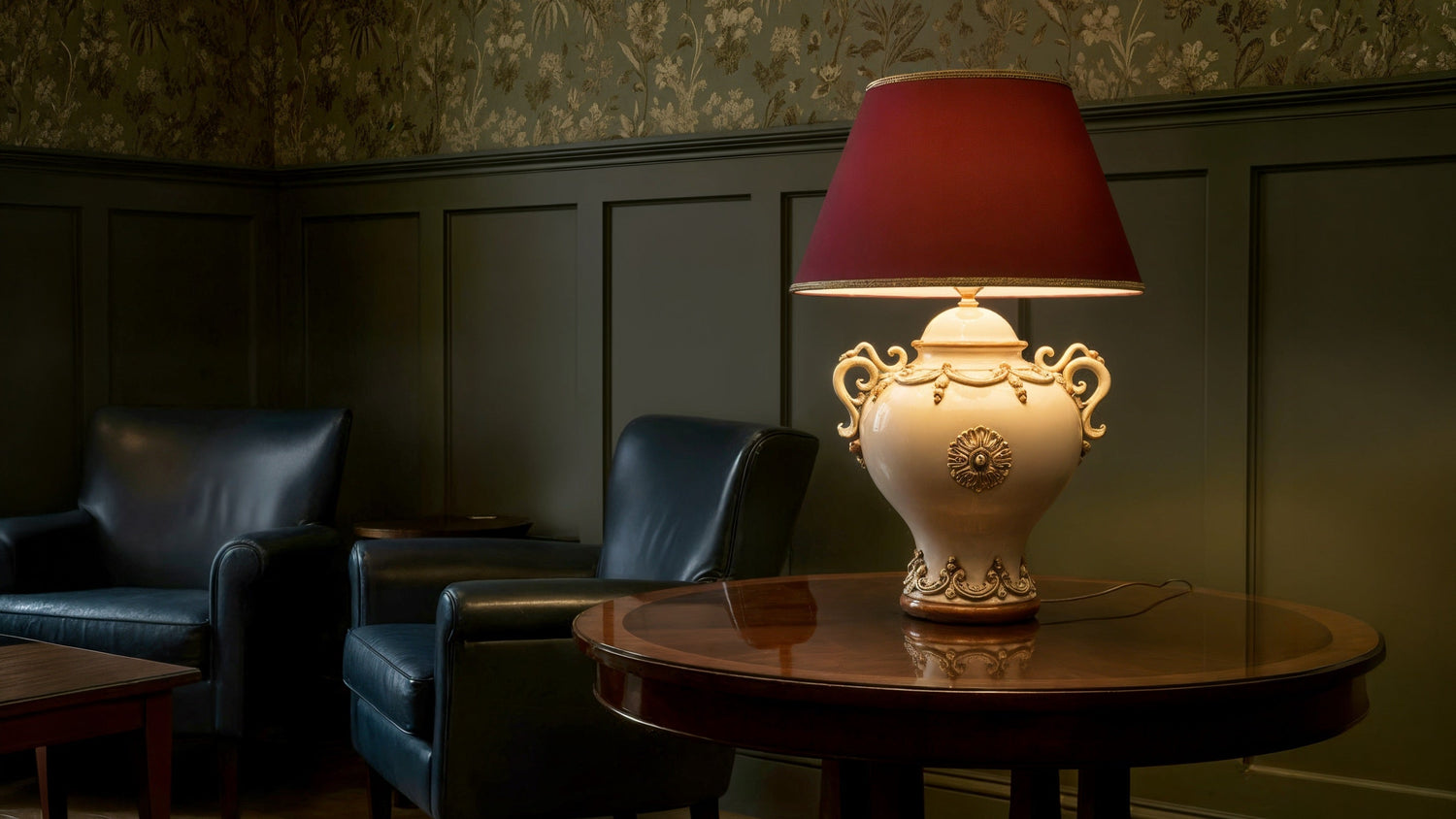
How to combine ceramic with wood, glass, and metals: a guide to integrating furnishing materials
The art of combining different materials in furnishing is one of the most fascinating challenges in interior design. Ceramics, with its timeless versatility and deep connection to traditional Italian craftsmanship, lends itself beautifully to integration with other furnishing elements. In this journey through the creative possibilities of interior design, we will explore how ceramics can harmoniously interact with materials such as wood, glass, and metals, creating unique and personalized environments.
[[pigne]]
Ceramic and Wood
Contrast and Harmony
The combination of ceramic and wood represents one of the most natural and appreciated pairings in the world of furnishing. Wood, with its intrinsic warmth, perfectly balances the cooler nature of ceramic, creating an extraordinary visual and tactile equilibrium. Light ceramic tiles, when paired with dark wood flooring or furniture, generate an elegant contrast that can define the style of an entire room. This combination allows for the creation of spaces that merge the durability of ceramic with the inviting feel of wood.
Softening Spaces
Wood proves to be a valuable ally in softening environments dominated by ceramic surfaces. The alternation between wood-effect tiles and natural wood elements creates visual continuity that makes spaces more welcoming and lived-in. This approach is particularly effective in rooms like the kitchen or bathroom, where ceramic is predominant for functional reasons.
Ceramic and Glass
Play of Textures
The encounter between ceramic and glass offers endless creative possibilities through the play of textures. Opaque tiles, when paired with glossy glass surfaces, create a fascinating contrast of reflections and opacity. Glass thus becomes a tool to visually lighten spaces rich in ceramics, adding depth and dimension to the environments.
Contrasts and Complements
The combination of colored tiles and transparent or frosted glass can give rise to surprising design solutions. The transparency of glass can be used to create visual points of interest, while textured ceramics provide a solid and distinctive base for the environment.
Ceramic and Metal
Elegance and Refinement
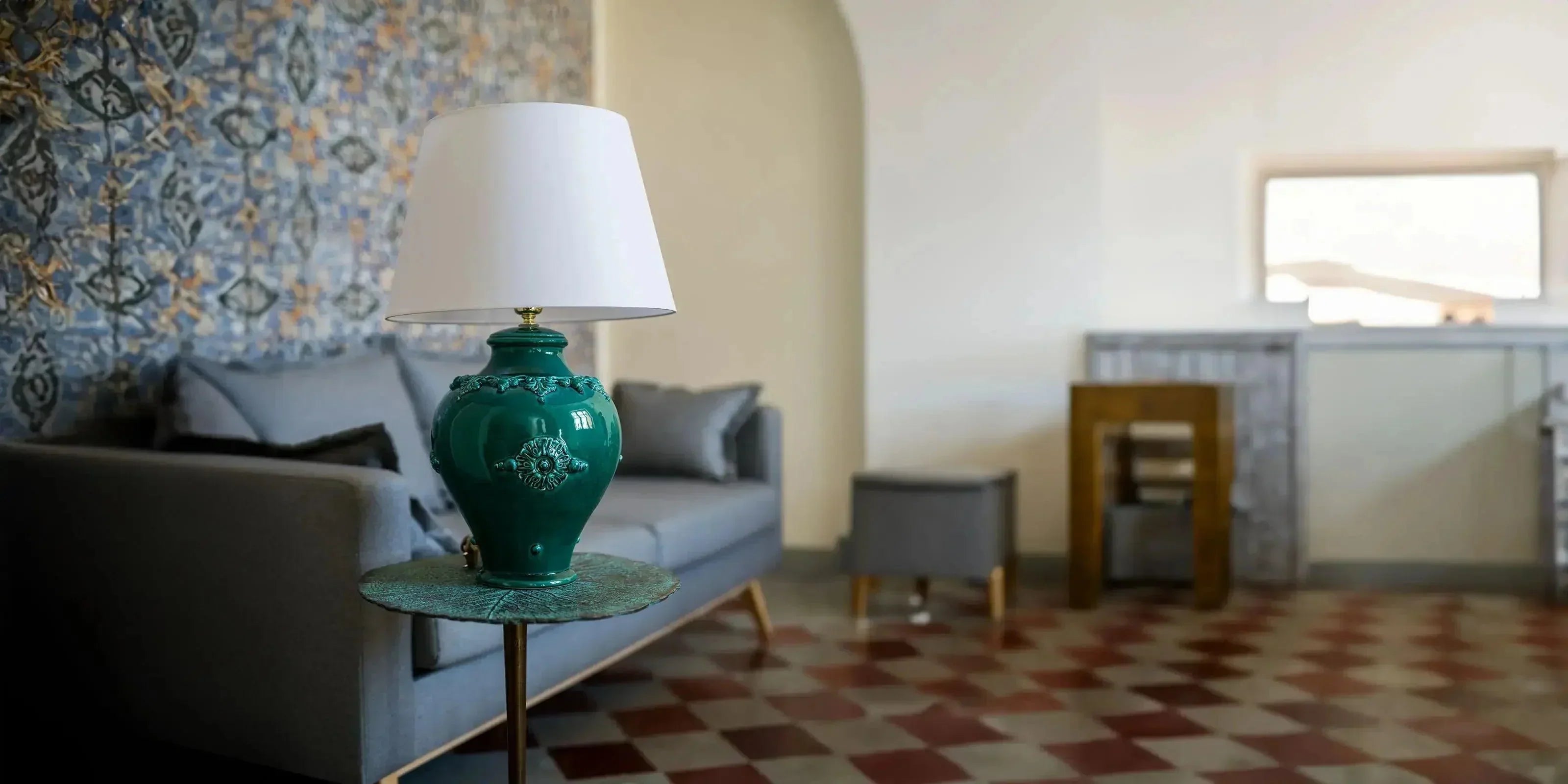
The combination of neutral ceramics with metallic details represents a choice of great elegance. Satin metals, paired with opaque ceramics, create a sophisticated and contemporary atmosphere. This union proves particularly effective in modern environments where a refined yet not austere aesthetic is desired.
Industrial Atmosphere
For those who love industrial chic style, the juxtaposition of stone-effect ceramics and brushed metals offers highly impactful solutions. The use of warm metals like brass can add a touch of warmth to compositions dominated by cold-toned ceramics, creating a perfect balance between industrial and welcoming.

General Tips for Harmonious Furnishings
Consistency and Color Palette
The key to successful integration lies in maintaining a consistent color palette across different materials. It is essential to consider not only the main colors but also the nuances and undertones of each element, ensuring they harmoniously interact with each other.
Texture and Focal Points
Creating focal points through the strategic alternation of materials is an art that requires attention and sensitivity. A balanced mix of smooth and rough surfaces can transform an ordinary space into an extraordinary environment, where each element contributes to the overall harmony.

Conclusion
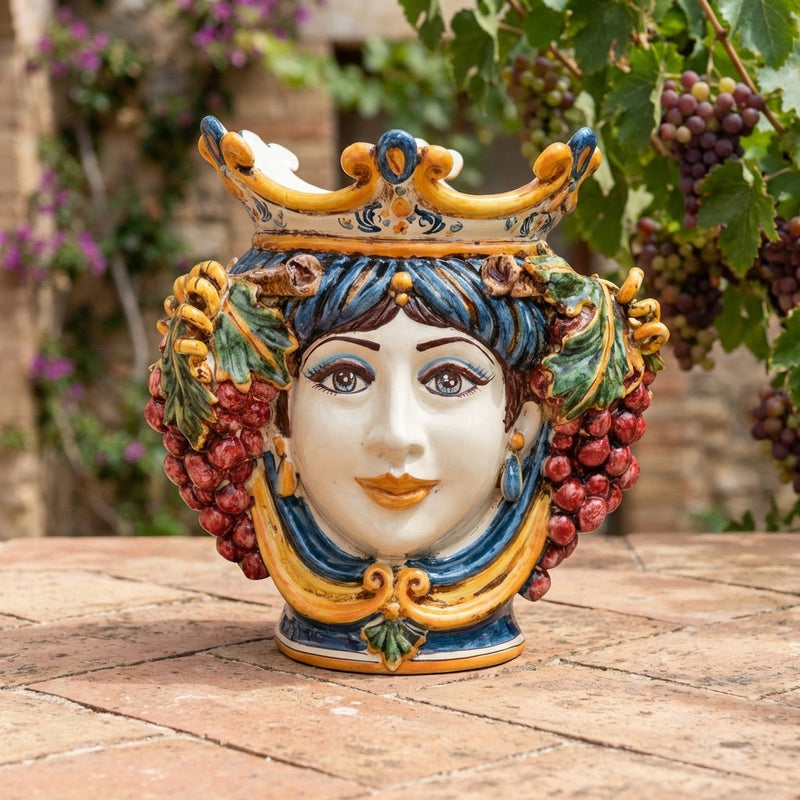
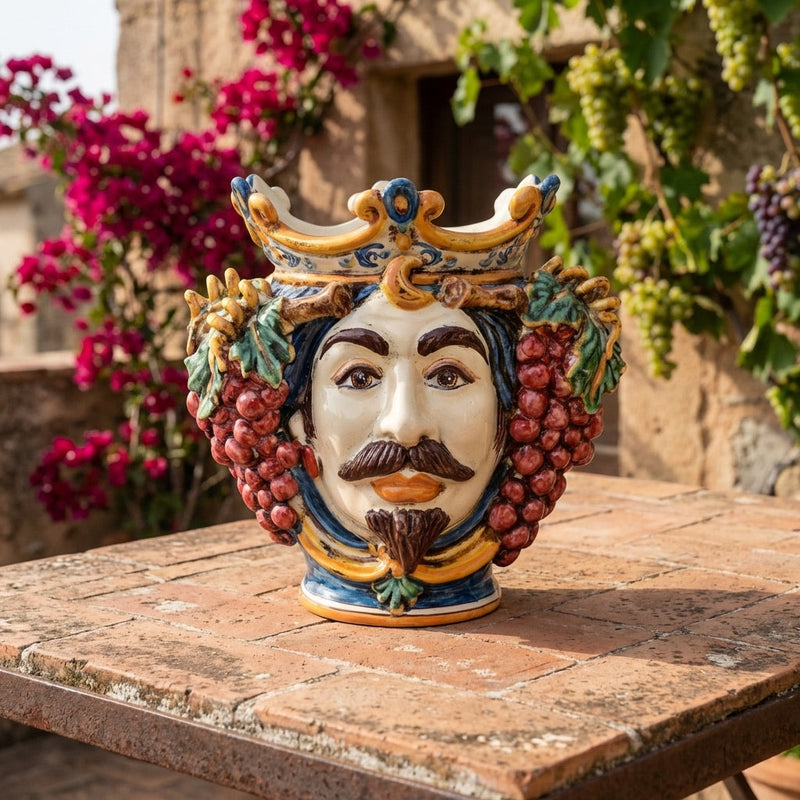
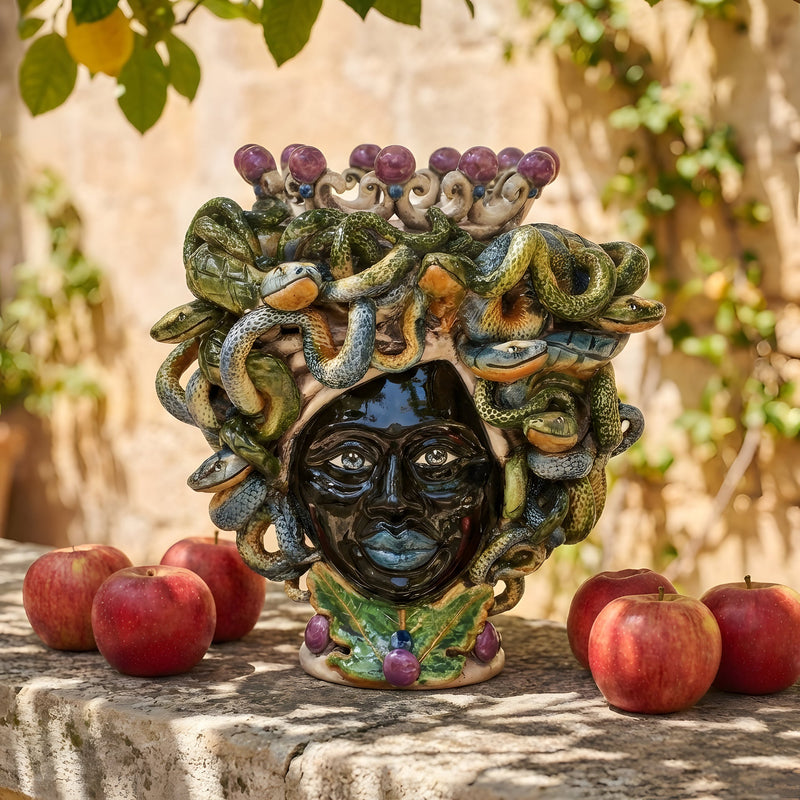
The art of combining ceramics with other furnishing materials requires a deep understanding of the characteristics of each element and the endless possibilities of combination. Ceramiche Sofia, with its wide range of high-quality products, offers infinite possibilities for creating unique and personal environments. We invite you to explore our collections to discover how the tradition of ceramics can perfectly integrate with contemporary design.
Visit our online showroom at ceramichesofia.it to discover our collections of handcrafted ceramics, perfect for pairing with any furnishing style. From furnishing accessories to decorative tiles, you will find everything you need to create your ideal space.
FAQ
- What are the advantages of combining ceramic with other materials in furnishings? Combining ceramic with other materials allows for interesting contrasts, adding depth to environments, and personalizing spaces according to one's taste.
- Is it possible to use ceramic in modern and minimalist environments? Absolutely, contemporary ceramics are perfectly suited for modern environments, especially when combined with materials such as glass and metal.
- How can I integrate ceramic into a kitchen or bathroom without visually overwhelming the space? The key is to balance ceramic surfaces with other materials, creating strategic focal points and maintaining a consistent color palette.
- Is it difficult to maintain the cleanliness and beauty of ceramic when combined with wood or metal? No, modern ceramics are easy to clean and maintain, regardless of the materials they are combined with.
- Where can I find inspiration for creative ceramic integration in my furnishing projects? The ceramichesofia.it website offers a rich gallery of ideas and inspirations for creative combinations, as well as personalized advice for your projects.


Leave a comment
All comments are moderated before being published.
This site is protected by hCaptcha and the hCaptcha Privacy Policy and Terms of Service apply.