


Caltagirone ceramics are one of Sicily's most precious treasures, renowned for their artistic beauty and centuries-old tradition. But when did this fascinating ceramic art originate, making Caltagirone famous worldwide? In this article, we will explore the historical origins of this ancient tradition, analyzing how it developed over millennia.
Prehistoric Origins
The roots of pottery in Caltagirone date back to prehistory, with archaeological finds testifying to clay processing as early as the Neolithic period. Ancient inhabitants shaped clay to create household tools and ritual objects, laying the foundation for a tradition that would span centuries.
The Influence of Ancient Civilizations
With the arrival of the Greeks in the 8th century BC, ceramic production underwent a significant evolution. Hellenic techniques introduced new styles and decorations, enriching local art. Subsequently, the Romans consolidated these techniques, spreading the use of ceramics throughout the empire.
The Medieval Age and Arab Influence
During the Middle Ages, Caltagirone pottery received a notable boost thanks to the excellent quality of local clays. The quartare used to store honey became famous everywhere, highlighting the skill of Caltagirone artisans. The Arabs brought further innovations, such as the majolica technique, characterized by glossy glazes and vibrant colors. This period marked a rebirth of ceramic art, with Caltagirone emerging as a center of excellence.
The Sixteenth Century and the Workshop Boom
In the sixteenth century, the city experienced a real boom in ceramic production, with over one hundred majolica workshops active. Numerous potters became well-known, as evidenced by historical documents and the Riveli of the time. However, many works from this period were lost due to catastrophic events.
The Earthquake of 1693 and Its Consequences
On January 11, 1693, a devastating earthquake struck eastern Sicily, destroying much of Caltagirone's artistic heritage. Many centuries-old ceramic works were ruined. Few works from the seventeenth century survive, including significant fragments of pavements dated 1621, by master Francesco Ragusa, and others from the second half of the century by master Luciano Scarfia.
The Post-Earthquake Rebirth
Despite the devastation, the city recovered and the ceramic tradition was reborn. In the Renaissance and the Modern Age, local workshops regained strength, producing works of great refinement and continuing the artistic tradition that makes Caltagirone famous worldwide.

The Caltagirone Ceramics Museum
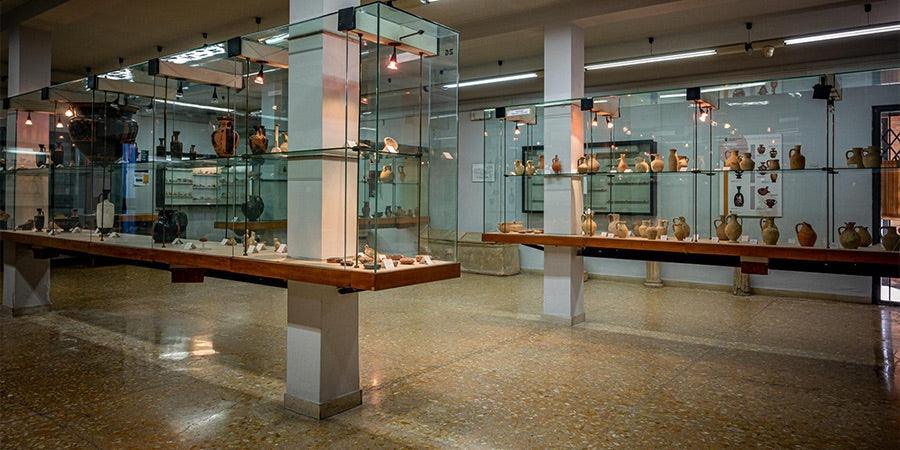
For those wishing to delve deeper into history and admire unique artifacts, it is possible to visit the Ceramics Museum located within the city's Public Garden, with the main entrance on Via Roma through the Teatrino Bonaiuto, an elegant and scenic viewpoint over the city.
Established in 1965, second in Italy only after Faenza, the museum houses a vast collection of vases and ceramic artifacts from the Middle Ages to the last century, not only from Caltagirone. It also includes a substantial core of archaeological materials from the area, with findings related to the Eneolithic and the early Bronze Age. Among the artifacts from the Greek era, the limestone relief from Monte San Mauro stands out, featuring a pair of crouching sphinxes, dated to 540 BC.
[[pigne]]
The Contemporary Tradition
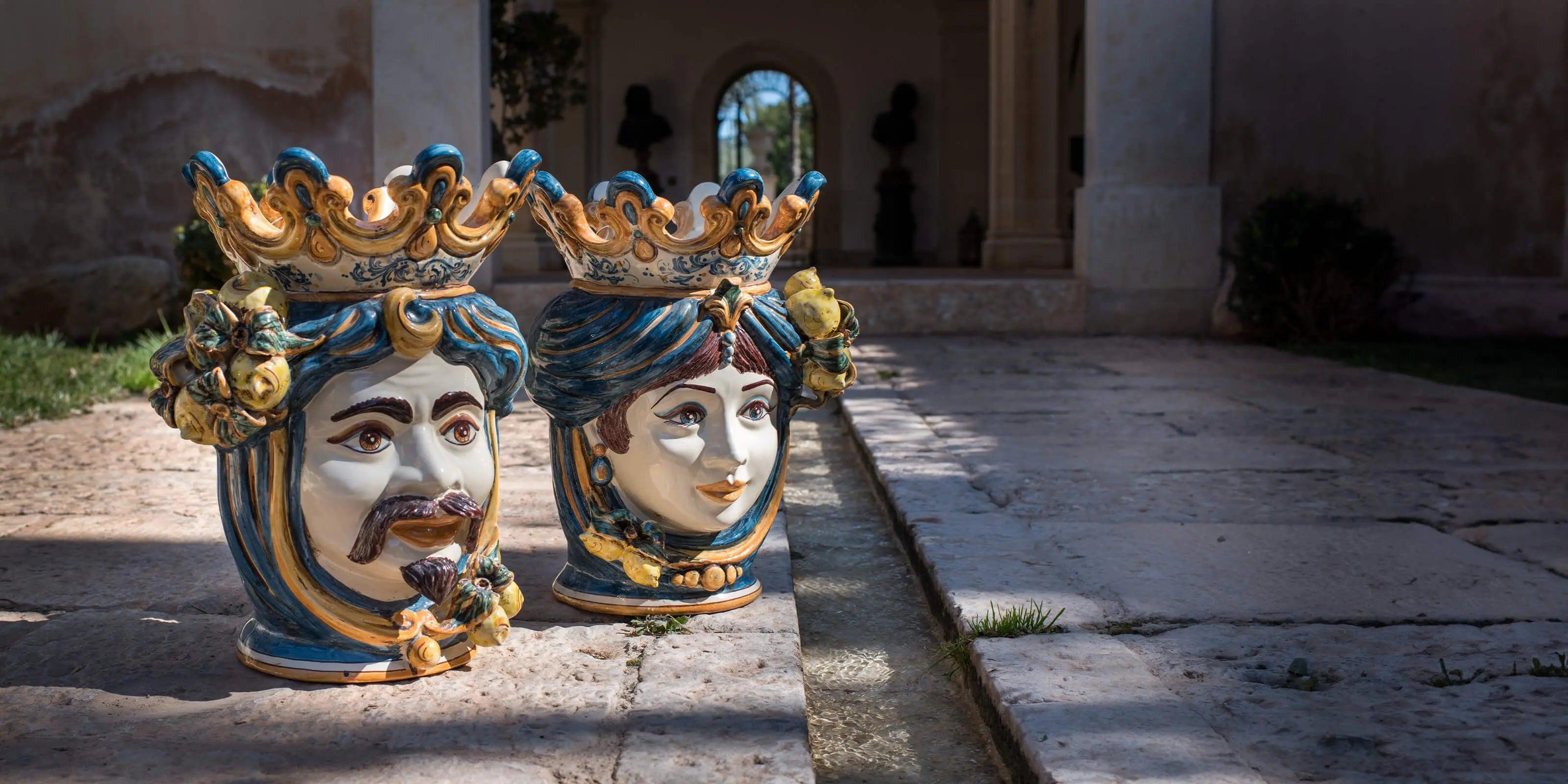
Today, Caltagirone ceramics continue to be a symbol of excellent craftsmanship. Local artisans keep ancient techniques alive, creating unique pieces that combine tradition and innovation. From the famous Moorish Heads to the colorful Pinecones, each object tells a story rooted in the past.

Conclusion
Caltagirone ceramics are not just an art form, but a living testament to Sicilian history and culture. If you wish to immerse yourself in this fascinating world and take home a piece of Sicily, visit our website www.ceramichesofia.it and discover our exclusive collection.



Leave a comment
All comments are moderated before being published.
This site is protected by hCaptcha and the hCaptcha Privacy Policy and Terms of Service apply.